Introduction to Minesweeper
How do you play the game Minesweeper? Reveal safe squares, read their clues, and avoid hidden mines. Careful thought beats fast clicks.
The board starts as a grid of covered squares. Some hide mines, while the rest are safe. In standard versions, your first click cannot hit a mine.
This guide covers the rules of Minesweeper, number clues, flags, and ways to find safe moves. It also explains what to do when a guess seems unavoidable. Start with the clues, not the clock.
The Goal: Clear Every Safe Square
Your goal is to reveal every square that does not hold a mine. You do not need to open the mine squares. Keep them covered, and mark them when the clues support your choice.
Many versions show a mine count or let you place flags. Flags can help you track your thinking, but the game may not check each one. A wrong flag can make a safe square seem dangerous.
- Reveal every safe square to win.
- Keep suspected mine squares covered.
- Flag a mine when the clues prove it.
- Check your flags before relying on them.
Some versions let you open all remaining covered squares after you flag every mine. This quick-clear feature only works when each flag is right. Check your version’s rules before you use it.
Basic Rules of Minesweeper
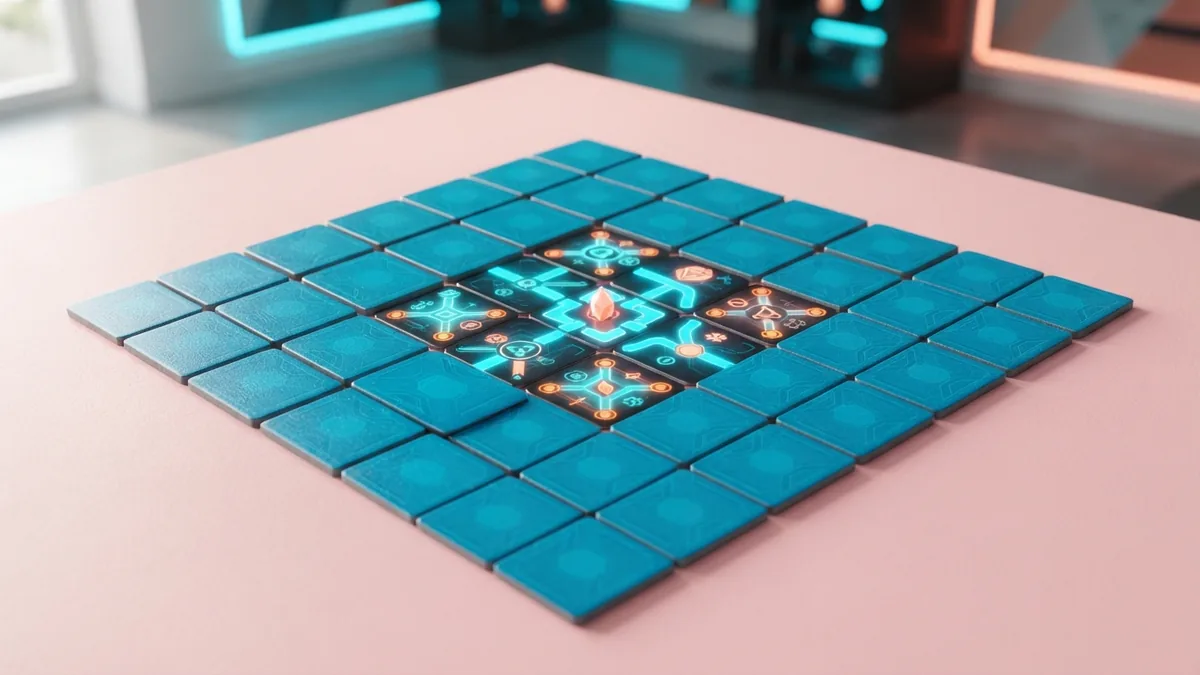
Click a covered square to reveal it. If it holds a mine, the game usually ends. If it is safe, it shows how many mines touch it.
Adjacent squares include those along the sides and corners. A clue can count up to eight nearby squares. Each number gives a local count, not a map of the whole board.
If you open a square with no nearby mines, the game often opens a larger area. This automatic opening can reveal many safe squares at once. Number clues may appear around the cleared area.
In standard Minesweeper, the first click is safe. Some versions also make that first opening reveal a useful area. Afterward, do not assume a covered square is safe without clues.
- Click a covered square to reveal it.
- Read the number shown on a safe square.
- Use nearby clues before your next click.
Understanding Numbers on the Board
Minesweeper numbers show how many mines touch a numbered square. A 1 means one nearby square holds a mine. A 3 means three nearby squares hold mines.
Start by counting the covered squares beside a number. If a 1 touches just one covered square, that square must hold a mine. Mark it, then check the clues around it.
Now consider a 1 beside one flagged square and two other covered squares. If the flag is right, both other squares are safe. This method works with higher numbers too.
- Count covered squares beside the clue.
- Subtract any mines you have confirmed.
- The leftover count shows how many mines remain.
- If no mines remain, the other covered squares are safe.
A flag is your mark, not proof from the game. If a flag is wrong, clues based on it may be wrong too. Recheck each mark when new squares open.
How to Flag Mines
Use the right mouse button or the game’s flag control to mark a suspected mine. On a touch screen, you may need a long press or a button. Learn the controls before starting a timed game.
Flag a square when a clue proves it holds a mine. You can mark a guess, too, but keep uncertain marks clear in your mind. Do not flag every square that feels risky.
After placing a flag, check the nearby numbers again. Each clue’s count must match the mines around it. If the numbers do not fit, remove the flag or review your earlier marks.
Flags can help prevent accidental clicks, especially on small screens. Still, the mine counter is only a tracking aid. A matching total does not prove each flag is correct.
Minesweeper Strategies for Winning
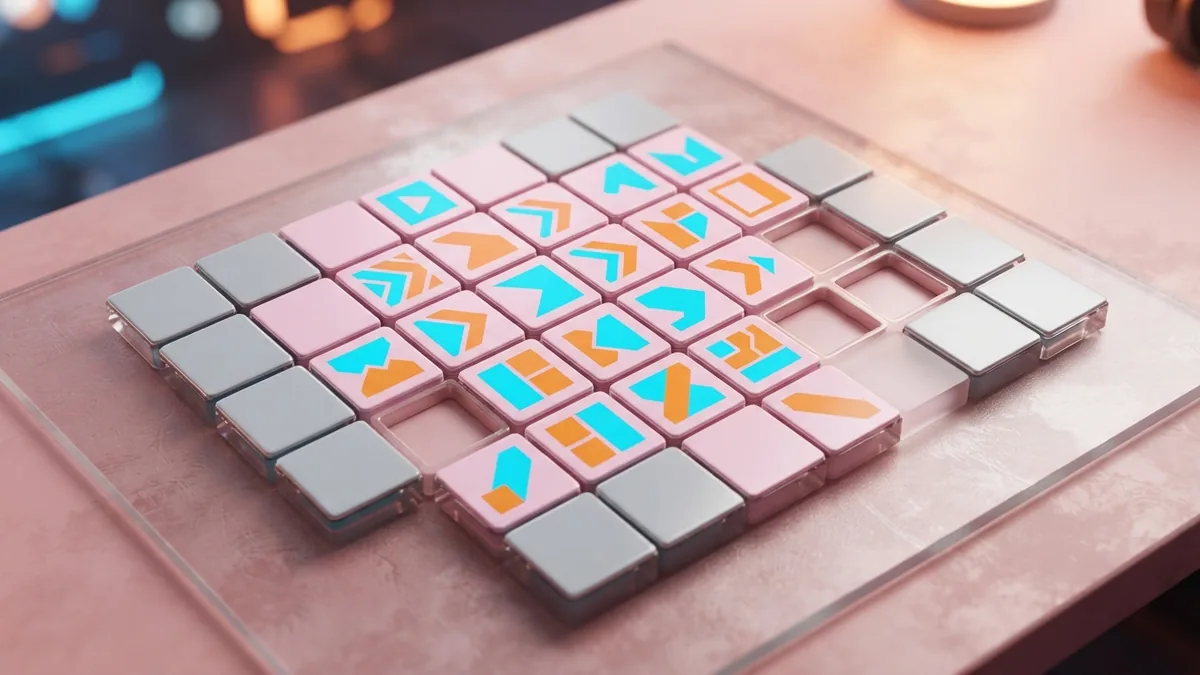
Begin with clues that have the fewest covered neighbors. They are often easier to solve than crowded areas. Look for a number whose mine count matches its covered neighbors.
Compare clues that share covered squares. One clue may show that a group contains one mine. A nearby clue may then show which square must hold it. Comparing both can reveal a safe move.
Pause after each new opening and scan the board again. New numbers can change what you know about nearby squares. Fast clicks can make you miss useful clues.
Some boards eventually require a guess. List the possible mine layouts around the risky squares. Then choose a square that stays safe in the most layouts you can identify.
- Solve clues with few covered neighbors first.
- Compare nearby numbers that share covered squares.
- Recheck the board after each new opening.
- Guess only when no clear safe move remains.
Common Mistakes to Avoid
A common mistake is treating a flag as certain when it is only a guess. Every clue that depends on that flag may then lead you astray. Keep track of which marks are proven and which are not.
Another mistake is clicking too quickly after a number appears. Stop and count the covered squares around the clue. A short pause can reveal a safe move that was easy to miss.
Do not assume every board has a no-risk move. Some versions create layouts that force a guess. When that happens, use the clues to compare the likely results instead of clicking at random.
- Do not trust a flag just because the mine counter fits.
- Do not overlook diagonal neighbors.
- Do not guess before checking every nearby clue.
- Do not use quick-clear unless your flags are correct.
Winning at Minesweeper comes from making each safe move count. Read the numbers, update your marks, and check the board after every opening. The best move is often the one the clues already prove.