What brain age means
Brain age is a score based on how you perform on selected thinking tasks. A game may compare your results with scores from different age groups. The result is not your actual age. It is not a medical finding.
The term is best known through Nintendo’s Brain Age games. These games use short tasks for math, memory, reading, and focus. A score can make practice feel fun. It cannot sum up every skill you use in daily life.
Your result may change with sleep, stress, mood, or practice. You may get faster after learning a task’s rules. That change shows progress on that task. It does not mean your brain has become younger.
Think of a brain age test as a game-based snapshot. It can offer a mental challenge and a record of play. It cannot confirm cognitive decline or predict future health.
Inside the Brain Age game series
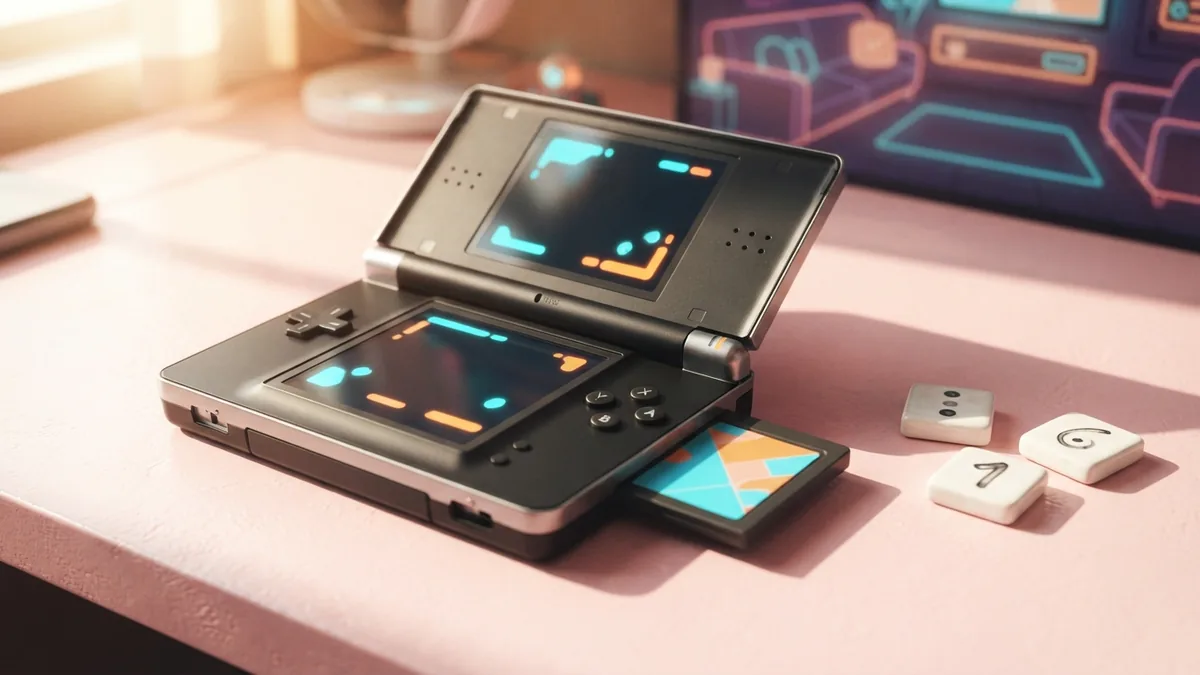
Brain Age: Train Your Brain in Minutes a Day! was made for the Nintendo DS. This brain age DS game uses short tasks and a playful age score. Activities include quick sums, reading aloud, and naming ink colors rather than printed words.
Brain Age 2: More Training in Minutes a Day! added more activities and ways to track play. The full title is often searched as brain age 2 more training in minutes a day. Later, Brain Age: Concentration Training came to Nintendo 3DS.
Brain Age 3DS puts more focus on working memory. This means holding and using details for a short time. The games offer brief practice and play. They are not tools to check health or treat memory problems.
- Brain Age DS: Short tasks for math, reading, and memory
- Brain Age 2: More puzzles and play records
- Brain Age 3DS: More focus on attention and working memory
Brain age concentration training can challenge focus and recall. A better score only shows that you did better within the game’s rules.
How brain age tests work
A brain age test gives you timed or scored tasks. You might solve sums, recall a list, read aloud, or react to changing cues. The game tracks your answers or speed. Then it uses its own scoring rules.
One task may ask you to name a color. The word “blue” might appear in red ink. You must say “red” and ignore the word. This task tests how well you focus on one cue while another distracts you.
A memory task may ask you to study items, wait, and recall them. A math task may test speed and accuracy. Each brain age test game can use different tasks and scoring methods.
A brain age test free online can be entertaining, but it is not a clinical check. Your score may depend on your device, timing, and the test design. Treat it as feedback about that session, not a health finding.
Health professionals use other steps to assess ongoing memory concerns. They may ask about your health, daily life, and changes over time. If memory issues disrupt your routine, speak with a qualified health professional.
What brain training can help you practise
Brain training gives you set tasks to practise. Repeating a puzzle may help you get quicker or more accurate at that puzzle. Mental math can make familiar sums easier. Memory games can help you practise grouping details.
These gains may not carry over to every part of life. A high score does not prove better judgment or a lower risk of dementia. Keep claims tied to the task you played.
Many people search for Brain Age: Train Your Brain in Minutes a Day! because short sessions feel easy to fit in. A few focused minutes can be a good start. Practice works best when the task still asks you to think.
- Try word, number, and logic puzzles on different days.
- Learn a song, recipe, or phrase in another language.
- Take a break when you lose focus or feel tired.
- Notice which tasks feel easier, not only your score.
Change tasks when they become too easy. A new puzzle can ask for a different kind of thought. Keep sessions enjoyable. Stop if they become a source of stress.
How thinking skills can change with age
People do not age in the same way. Some may take longer on timed tasks as they grow older. Word knowledge and skills gained through life may stay strong for longer.
One brain age score cannot capture that mix. It tests a small set of tasks under specific conditions. It does not show all the ways you solve problems, learn, or make choices.
Sleep, movement, mood, illness, and stress can affect how well you think. These factors can shift from day to day. A slow result on one puzzle does not prove lasting decline.
Look for changes that persist and affect daily tasks. Trouble managing familiar chores matters more than one low game score. A health professional can help assess lasting changes.
Tips for building a steady brain-training habit
Choose tasks that fit your interests and current skill level. If a game feels too easy, try a new rule or a harder puzzle. If it feels frustrating, take a break or pick another task.
Short sessions can help you keep a routine. Set a simple goal, such as solving a few puzzles after breakfast. Track what you practised, not just the score. This can show which tasks hold your interest.
Mix games with everyday challenges. Cook from a new recipe, learn a route, or practise a skill you enjoy. These activities ask you to use different kinds of thought. Rest and regular movement also support general well-being.
Do not use a game score to judge your health. If you notice ongoing changes in memory or thinking, talk with a health professional. A game can be a useful pastime. It is not a diagnosis.