Understand the rules before you guess
One useful Wordle tip is to treat every guess as a clue, not a shot in the dark. You have six tries to find a hidden five-letter word. After each guess, the tiles show which letters are right and where they belong.
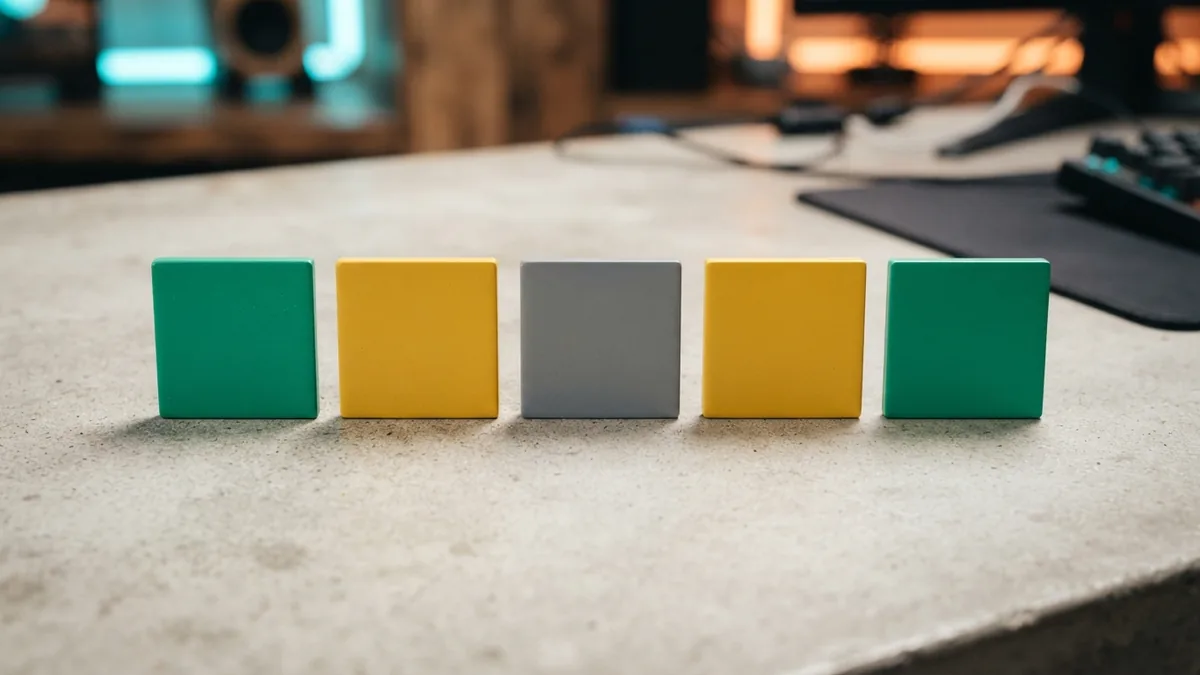
A green tile marks a right letter in the right spot. A yellow tile means that letter is in the answer, but belongs elsewhere. A gray tile usually means the letter is absent. Yet if a letter appears more than once, tile colors can take extra care to read.
For example, if the answer has one E and your guess has two, one E might turn green while the other turns gray. Gray does not always mean every copy of that letter is absent. Use the full row, including repeated letters, before you rule anything out.
- Green: keep the letter in that exact position.
- Yellow: use the letter in another position.
- Gray: avoid the letter unless a repeated copy is still possible.
Choose guesses that reveal useful clues
A strong guess does two jobs: it may match the answer, and it tests common letters. In early turns, learning which letters appear can matter more than chasing a quick solve. This is the heart of a sound starting word strategy.
English words often use E, A, R, O, T, and S. A first guess with several of these letters can quickly narrow the field. Try words such as SLATE, CRANE, or TRACE. Each checks a mix of common letters without repeating any.
No opening word wins every time. If your first guess gives few clues, choose a second word with fresh letters. For instance, after SLATE, a guess like ROUND tests five new letters. Do not use it blindly if green or yellow clues already point to a likely answer.
Keep a small set of openers and compare their results over time. Letter frequency analysis can guide your choice, but Wordle uses a set answer list. A letter's general frequency does not prove it is likely in today's answer.
- SLATE tests S, L, A, T, and E.
- CRANE tests C, R, A, N, and E.
- ROUND checks five new letters after SLATE, if clues allow.
Read each row before making your next move
After each guess, write down what you know. Lock green letters into place. Keep yellow letters in your working set, but remove their tested spots. Cross out gray letters unless duplicate clues leave room for another copy.
Imagine CRANE returns a green R in position two and a yellow A. Your next guess should keep R second and move A to another spot. It should also test likely letters that have not appeared yet. That is more useful than trying another word with the same letter pattern.
Before you submit, check every clue against the whole guess. A common word pattern can help, but do not settle on the first word that fits. If the pattern is _ R A _ E, several answers may remain. A careful fourth guess can test a key letter and keep the likely answer alive.
When several answers fit, choose a word that separates them. If two likely answers differ at the final letter, try a guess that tests a new consonant there. This can save a turn, even when that guess is not your final answer.
Avoid mistakes that waste guesses
The biggest mistake is repeating letters that a gray tile has already ruled out. Another is placing a yellow letter in the same spot again. These errors do not add useful information, so check earlier rows before each guess.
Players also rush toward a possible answer too soon. A guess that tests new letters may be better than a clever-looking word with little chance of being right. Save your best answer for when the clues support it.
Do not forget duplicate letters. If one letter is green and another copy turns gray, the answer may contain only one copy. If two copies turn yellow or green, the answer has at least two. Let the tile pattern guide you.
Finally, avoid treating outside word lists as proof of the day's answer. Lists can include words that the game does not accept or use as solutions. Use them to learn patterns, not to replace the clues on your board.
- Do not reuse a yellow letter in its old position.
- Do not guess a word that breaks a green tile.
- Check for duplicate letters before ruling one out.
- Use guesses to test clues, not just to chase hunches.
Build a simple daily Wordle habit
A good wordle tip of the day is to review your choices after the puzzle ends. Ask which guess gave the most useful clues. Then ask whether another word could have tested more fresh letters.
Keep a short log if you want to spot habits. Note your opener, solve count, and any repeated mistake. After a week, you may see that one opening word often leaves too many unknown vowels. Change one part of your approach and see if it helps.
Take your time with the board. Read all five tiles, then form a list of letters that remain possible. A calm check takes seconds and can prevent a guess that wastes one of your six turns.
Share results if you enjoy the social side, but avoid posting the answer before friends play. For the official daily puzzle, visit The New York Times Wordle game. Its built-in board gives you the clues needed to practice.
Helpful resources for Wordle fans
Use a trusted dictionary when you want to check a word's meaning or spelling. Merriam-Webster's dictionary can help you learn unfamiliar words after a game. It is better for learning than for searching blindly during a solve.
For practice, replay old boards from memory or make your own five-letter puzzles with friends. Test different openers and note how each one handles common vowels and consonants. This turns word lists into a learning aid, rather than a shortcut.
Keep the goal simple: find the answer in six tries while making each guess count. Strong openers help, but careful feedback analysis wins more turns. Over time, you will spot patterns faster and make fewer rushed guesses.