Understanding Reaction Time
What is reaction time? It is the gap between noticing a signal and starting a response. You see a cue, choose what to do, then move. Each stage affects the final score.
For example, a driver spots brake lights and presses the pedal. A tennis player sees a serve and moves to return it. Quick responses can help in daily life and sports. Yet speed alone is not enough. A fast response to the wrong cue can make things worse.
People often ask what is the average reaction time of a human. A basic visual test often gives a score near 250 milliseconds (ms). That is about a quarter of a second. Sound tests may produce faster scores because people can react to sound sooner than light.
What is a good reaction time? On many simple visual tests, 200 to 250 ms is a common range. A score below 200 ms is quick for many adults. These figures are only rough guides. The test, device, and setting can shift the result.
- Reaction time includes noticing, choosing, and moving.
- Visual and sound tests do not give equal results.
- Fast scores do not prove strong overall skill.
One score tells only part of the story.
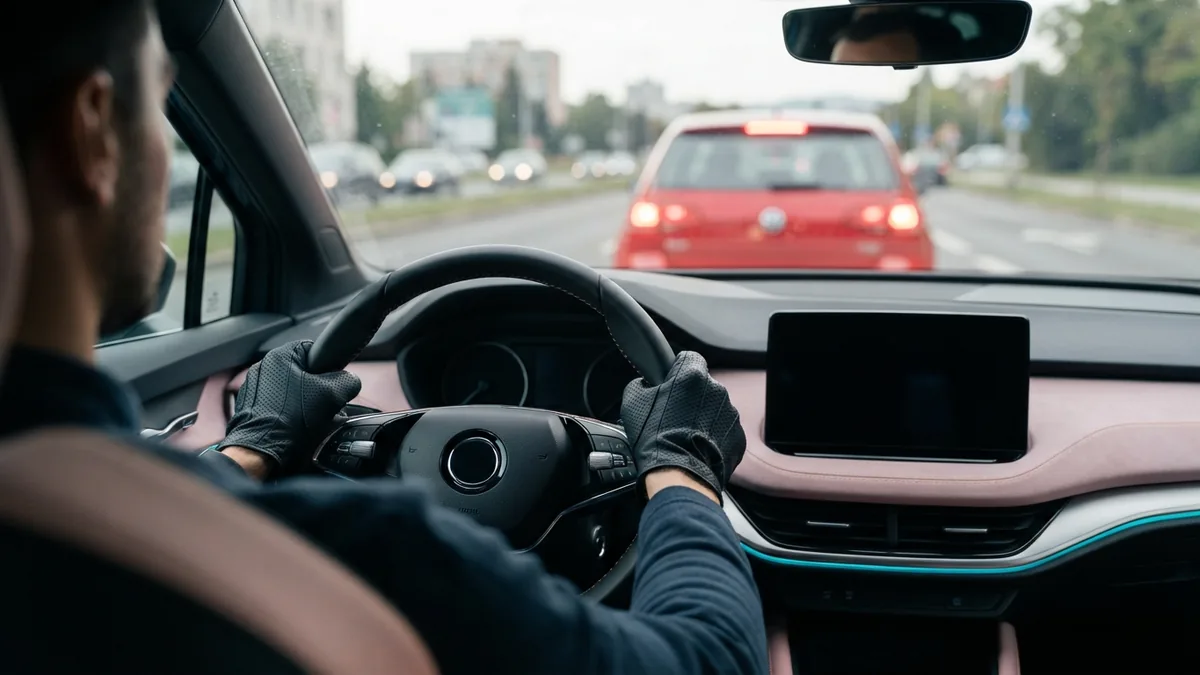
Factors That Affect Reaction Time
Age can affect response speed, but it does not set one fixed score. Children may need time to build focus and control. Many people respond quickly in young adulthood. Later changes vary from person to person. Practice can help with tasks you do often.
Fatigue matters, too. Poor sleep can make it harder to notice cues and act with care. Stress, illness, and some medicines may also slow responses. Alcohol and other drugs can affect both speed and judgment. Do not use a reaction test to decide whether driving is safe.
Practice works best when it matches the task. A goalkeeper can train to read shots and move toward the ball. That may help in goal, but it will not make every response faster. Repeating the same test can also improve your score by teaching you its pattern.
Your setup affects test results. A slow screen, mouse, or internet connection may add delay. Use the same device, hand, and posture each time. Take several tries and compare the middle results. This reduces the effect of one lucky click.
Small details can change a score.
Average Reaction Times by Age and Gender
There is no single average reaction time that fits every person. Simple visual tests often place adult scores near 250 ms. Results can range widely, even among people of similar ages. Sound cues often lead to faster scores than visual cues.
Age comparisons depend on the test and the group being measured. Children may respond more slowly as they learn to focus and act. Many adults show quick scores in their teens and twenties. Scores later in life vary, and regular practice may help with familiar tasks.
Some tests find small average gaps between men and women. Those group results cannot predict one person's speed. Scores overlap greatly. Sleep, practice, health, and test design may matter more for an individual result.
Use age averages as context, not as a pass-or-fail mark. A score of 270 ms may be typical on one test and less common on another. Track your own results with the same test. Also note accuracy, since rushed guesses can cause mistakes.
| Test result | What it may mean |
|---|---|
| About 250 ms | A common reference point for a basic visual test. |
| Below 200 ms | A quick result for many adults on some visual tests. |
| Scores over time | Most useful when you use the same test and setup. |
Online tests are rough tools. Your screen and input device add delay, so a test cannot show just your nerve and muscle speed.
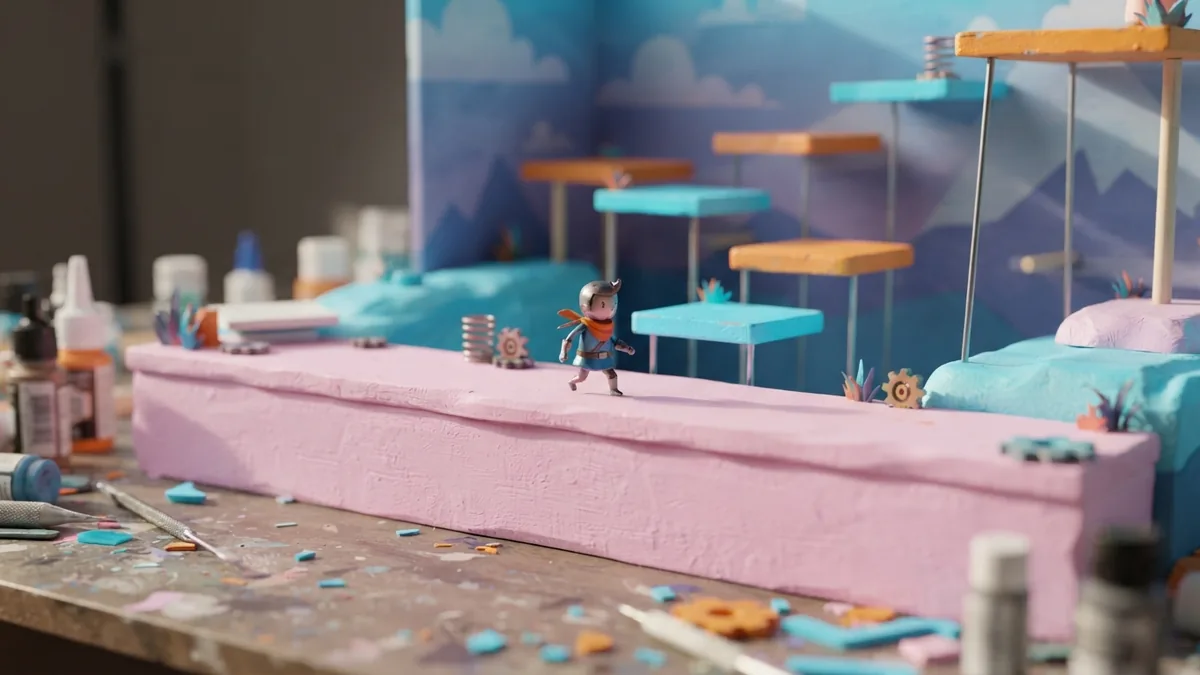
Coyote Time Explained
Coyote time is a game design feature, not a measure of human speed. It gives a player a short grace period after moving off a platform. The game may still allow a jump for a few frames.
The name comes from cartoon scenes where a coyote runs past a cliff before falling. In a game, this small delay can make jumps feel fair. A button press just after the edge may still work.
Some games also use input buffering. This stores a button press made just before a character can act. Both features make controls more forgiving. They change the game's rules, not the player's reaction time.
This matters when you compare game play with reaction tests. A game may accept an input outside the moment you expect. A test usually measures the time from a cue to a button press. They track different things.
Techniques to Improve Reaction Time
How to improve your reaction time depends on the task you want to do better. For gaming, practice the actions and cues you meet in play. For sports, train with drills that match the ball, opponent, or signal. Specific practice is more useful than chasing one online score.
Start each session with a clear goal. For example, a player might work on responding to a sound cue, then track correct responses. Keep the drill short enough to stay focused. Stop if tiredness makes your form or choices worse.
To learn how to train reaction time, use a mix of quick drills and sound practice. Try catching a soft ball dropped without warning. You can also ask a partner to call a direction, then move that way. Keep the cues varied so you must notice and choose.
Games that improve reaction time can add a fun way to practise. Pick games that ask you to respond to clear cues, not just press buttons rapidly. Short sessions can help you stay sharp. A game score does not prove your real-world response speed improved.
How to increase reaction time is also about reducing avoidable delays. Get enough sleep, take breaks, and limit distractions during practice. Use a steady setup for tests. These steps support focus, but they cannot promise a certain score.
Exercises for Better Reaction Time
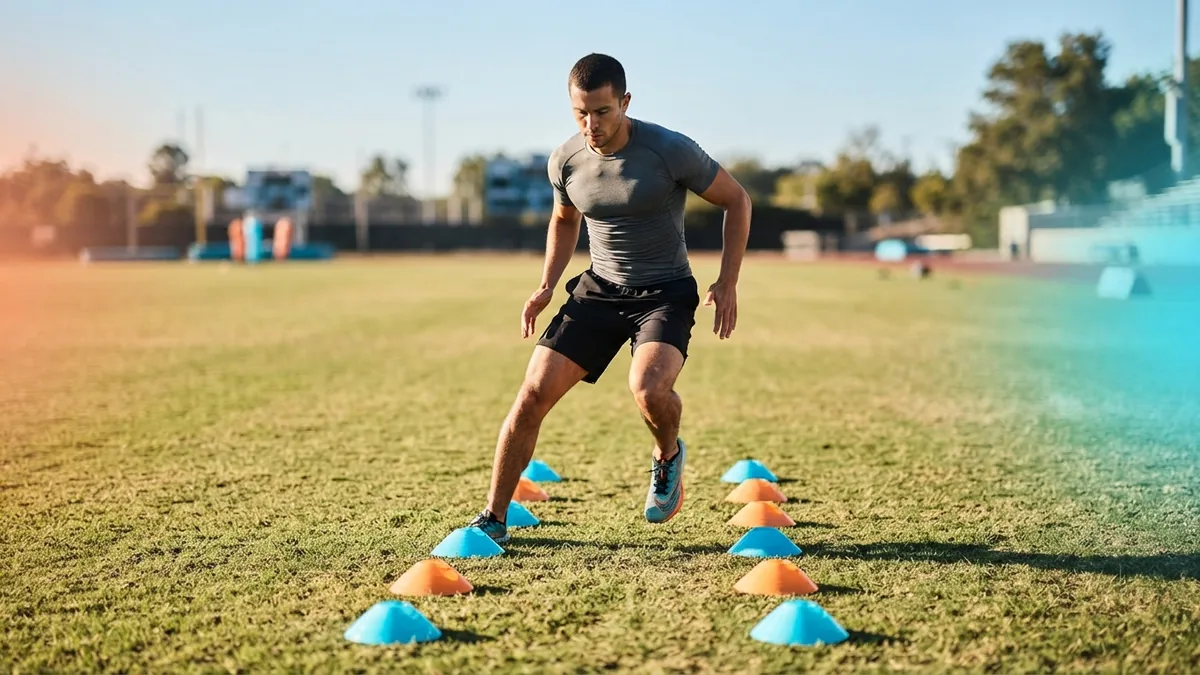
Can you train reaction time? You can practise task-specific responses and may improve at them. Try a simple drill with a partner. Have them point left or right, then step in that direction. Start slowly, then add speed while keeping your choices correct.
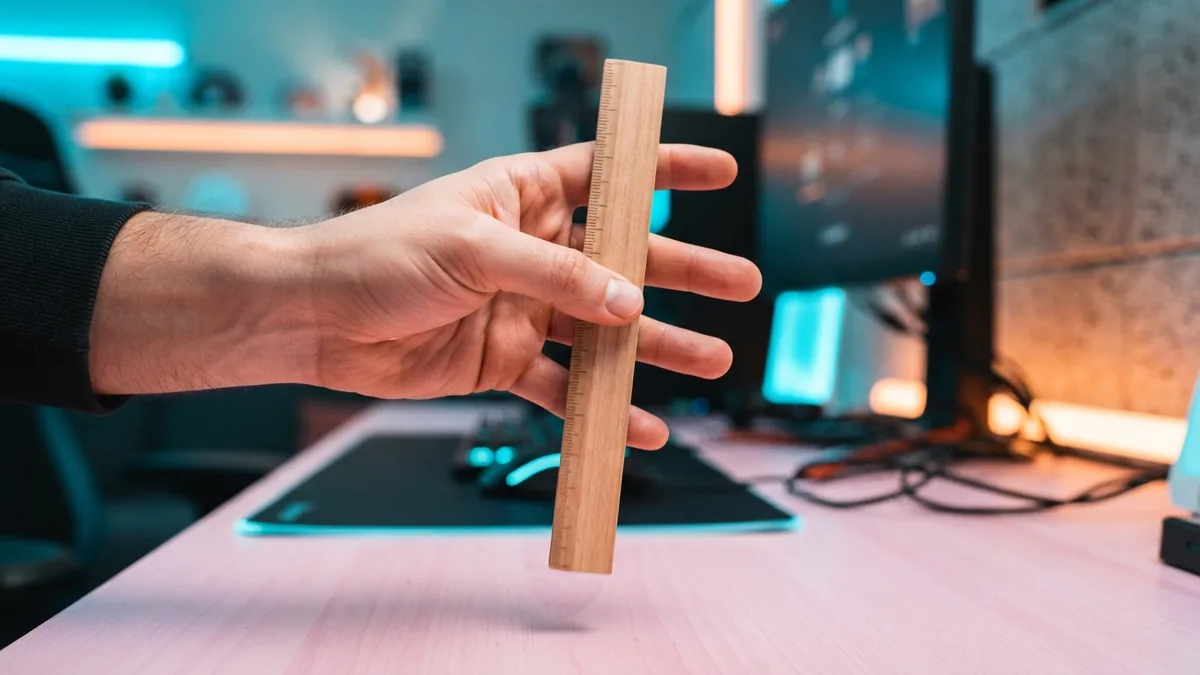
For hand speed, have a partner drop a ruler. Catch it as soon as you see it fall. Record where your fingers catch it, then repeat several times. Use the same hand and stance when you compare sessions.
For sports, practise with the cues you face during play. A player can react to a bounce, pass, or whistle. Keep the drill safe and use the right gear. Accuracy and sound movement matter as much as a quick start.
For gaming, practise short rounds with the same controls you use in play. Focus on spotting a cue before acting. If you only learn one test's timing, your score may rise without broader gains. Mix drills to build attention and choice, not just button speed.
Improving reaction time takes steady practice and rest. Compare results across several days, not just one session. If your score changes suddenly, check sleep, stress, device delay, and health. A slow result by itself does not show a medical problem.