What Are Reflexes?
What are reflexes? They are quick, involuntary responses to changes inside or around the body. A stimulus, such as heat or touch, prompts an action before you choose to move. Pulling your hand from a hot surface is a common example.
The definition of reflexes centers on this fast link between a stimulus and a response. Some reflexes protect the body from harm. Others help manage basic body functions, such as pupil size. Most begin without conscious thought.
The brain still receives information about many reflexes. Yet the first movement can start before you are aware of the cause. This quick start can limit harm.
Not every fast movement is a reflex. A reflex is an automatic response to a specific trigger. A chosen action, even a quick one, involves conscious control.
Types of Reflexes
One way to group reflexes is by how they develop. Unconditioned reflexes are present without learning. A newborn’s sucking response is one example. The knee-jerk response is another.
Conditioned reflexes form through experience. A sound linked to a past threat may cause someone to tense up. Learning shapes this response over time. It can differ from one person to another.
Reflexes can also be grouped by the body parts they affect. Somatic reflexes act on muscles that move the body. Autonomic reflexes affect functions such as heart rate and pupil size.
- Unconditioned: present without learning, such as a newborn’s sucking response.
- Conditioned: shaped through experience, such as tensing at a warning sound.
- Somatic: acts on muscles that move the body.
- Autonomic: affects body functions, such as pupil size.
These groups describe different features of reflexes. A reflex may be innate or learned, and it may affect muscles or body organs. These labels help explain how responses work.
How Reflexes Work
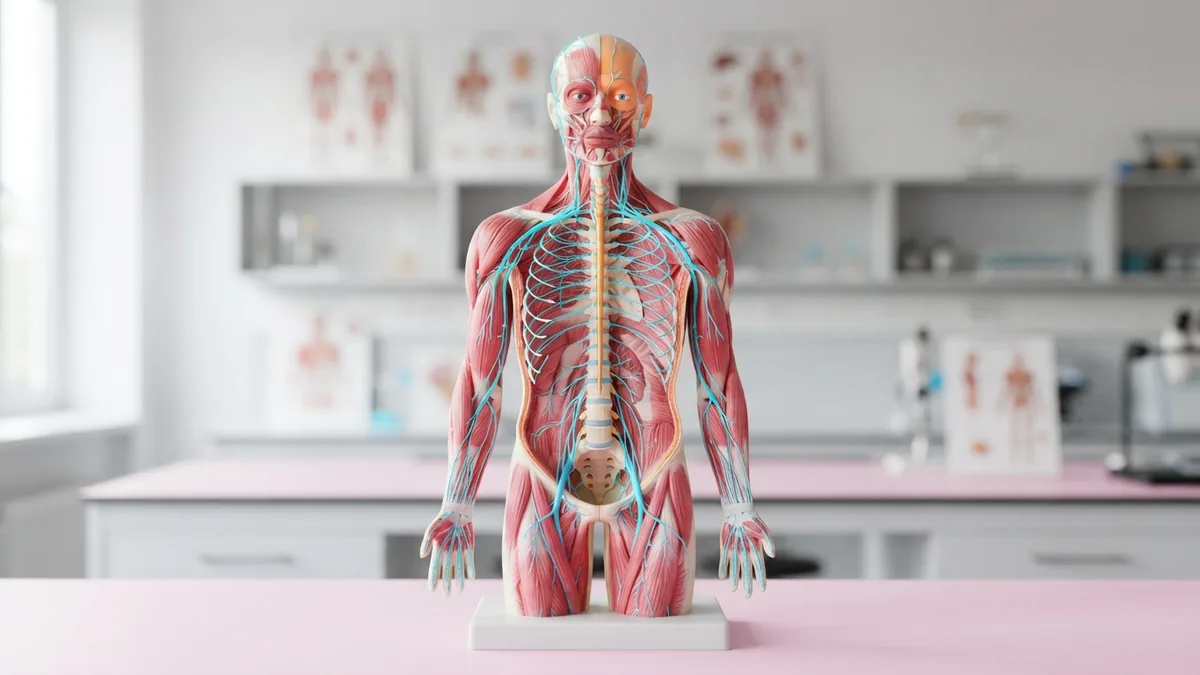
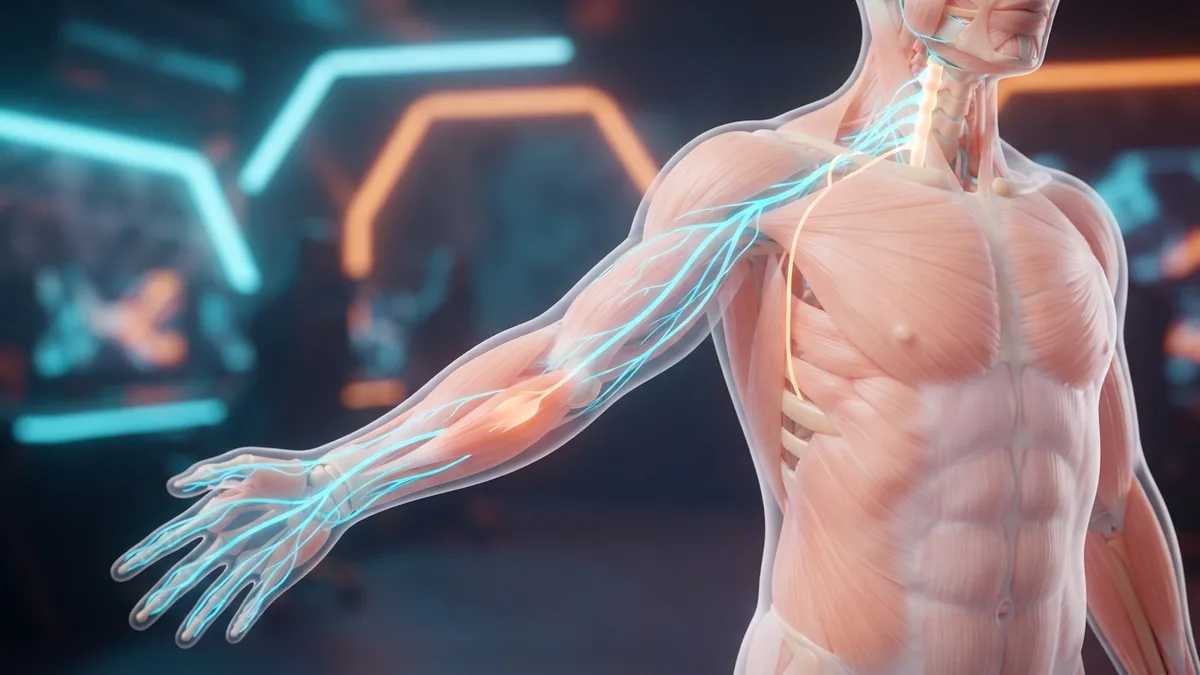
Many reflexes follow a route called a reflex arc. First, a receptor detects a change, such as heat or a tendon stretch. Sensory neurons carry the signal toward the spinal cord or brain stem.
The signal then passes through nerve cells. Motor neurons carry a command to a muscle or gland. The body responds by moving, blinking, or making another quick action.
In some simple reflexes, sensory and motor neurons connect through a relay cell in the spinal cord. This short route helps the body act quickly. The brain receives an update, so you can become aware of what happened.
Reflexes do not all use the same route. Some involve the spinal cord, while others involve the brain stem. The path depends on the response and the body parts involved.
A reflex differs from a planned choice. You may decide what to do next, but the first response can begin before conscious thought. Speed can vary between reflexes and people.
Examples of Common Reflex Actions
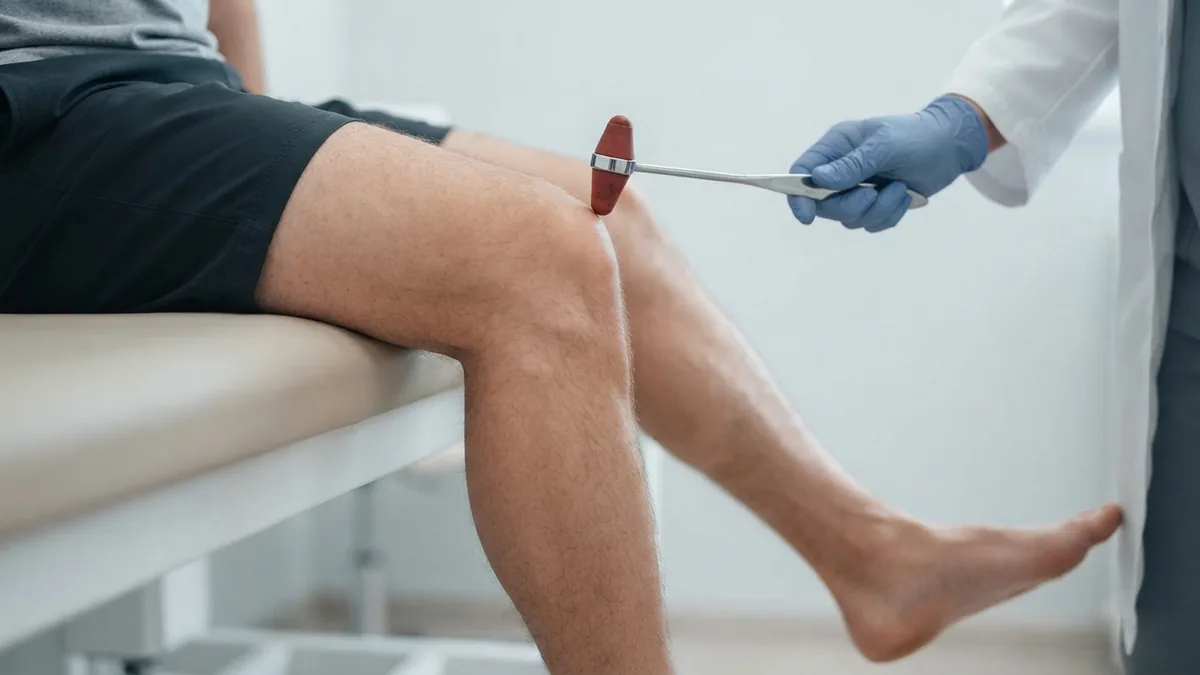
The knee-jerk reflex is often checked during a health visit. A clinician taps the tendon below the kneecap. The brief stretch makes a thigh muscle tighten, and the lower leg moves forward.
The withdrawal reflex helps protect the body from harm. Touching a sharp or very hot object can make muscles pull a limb away. The spinal cord helps send a quick signal back to those muscles.
Other examples include blinking when something nears the eye and coughing when the airway is irritated. Bright light can also make the pupils grow smaller. Each response serves a different purpose.
- Knee-jerk: the lower leg moves after a tendon tap.
- Withdrawal: a limb pulls away from a harmful or painful stimulus.
- Blink: the eyelids close to help shield the eyes.
- Pupil response: the pupils grow smaller in bright light.
These examples show that reflexes can involve different body parts. Some move a limb, while others affect the eyes or airways. Their shared feature is an automatic response to a trigger.
Why Reflexes Matter in Daily Life
Reflexes can help protect the body by limiting contact with danger. Pulling away from heat may reduce the chance of a burn. Blinking can shield the eye from dust or a nearby object.
Other reflexes help keep body functions steady. The pupil response limits the light entering the eye. Coughing can help clear irritants from the airways. These actions often happen without planning.
Reflex tests can give health workers clues about nerves and muscles. A clinician may compare responses on both sides of the body. One test cannot explain every symptom, but a change may guide further checks.
Reflexes are one part of the body’s response to the world. Their speed can help with safety, but they do not prevent every injury. Awareness and deliberate action still matter.
What Can Affect Reflexes?
Age can affect reflex speed and strength. Responses change as the nervous system grows and ages. The effect depends on the reflex and the person, so age alone cannot explain a test result.
Health can also affect how well a reflex works. Nerve damage, some brain or spinal cord conditions, and muscle problems may change a response. A health worker will consider other signs and symptoms too.
Fatigue, pain, and some medicines may affect reflexes as well. The amount of change varies. A single slow response does not prove that a health problem is present.
If a reflex changes along with new weakness, numbness, or other concerns, seek medical advice. A health worker can assess the full picture. Reflex tests are one tool, not a diagnosis on their own.