What Is Speedrunning?
Speedrunning means finishing a video game as quickly as possible. Players race the clock, chase personal bests, or compete on leaderboards. A run may take seconds or several hours. The game and category set the goal.
Most runners use a timer and record their attempts. A recording helps them review mistakes and share a run for checking. Some games have built-in clocks, while others use a separate timer. Rules can differ, so read them before submitting a time.
Speedrunning suits both fierce contests and casual play. You can aim for a world record or simply beat your own time. Small gains can make a run feel fresh.
Different Types of Speedruns
Any% usually means reaching the ending by any method the category allows. Some rule sets allow glitches or skips. Others ban certain tricks. The label alone does not tell you which methods count.
A 100% run asks players to complete a set of goals. These may include finding every item, clearing all levels, or earning each achievement. The game or leaderboard rules define what counts. These runs often take longer than Any% runs.
A TAS speedrun is made with tools that let runners plan inputs frame by frame. TAS means tool-assisted speedrun. It can show what a game allows with precise inputs, but it is not a live, unassisted run. Leaderboards often keep TAS entries apart from regular runs.
- Any%: Reach the ending under the category rules.
- 100%: Complete all goals listed for that run.
- TAS: Use tools to plan or test exact inputs.
Other types may focus on one level, ban major glitches, or set a special goal. Check the rules for the exact game and category. The rules shape the challenge.
Popular Games for Speedrunning
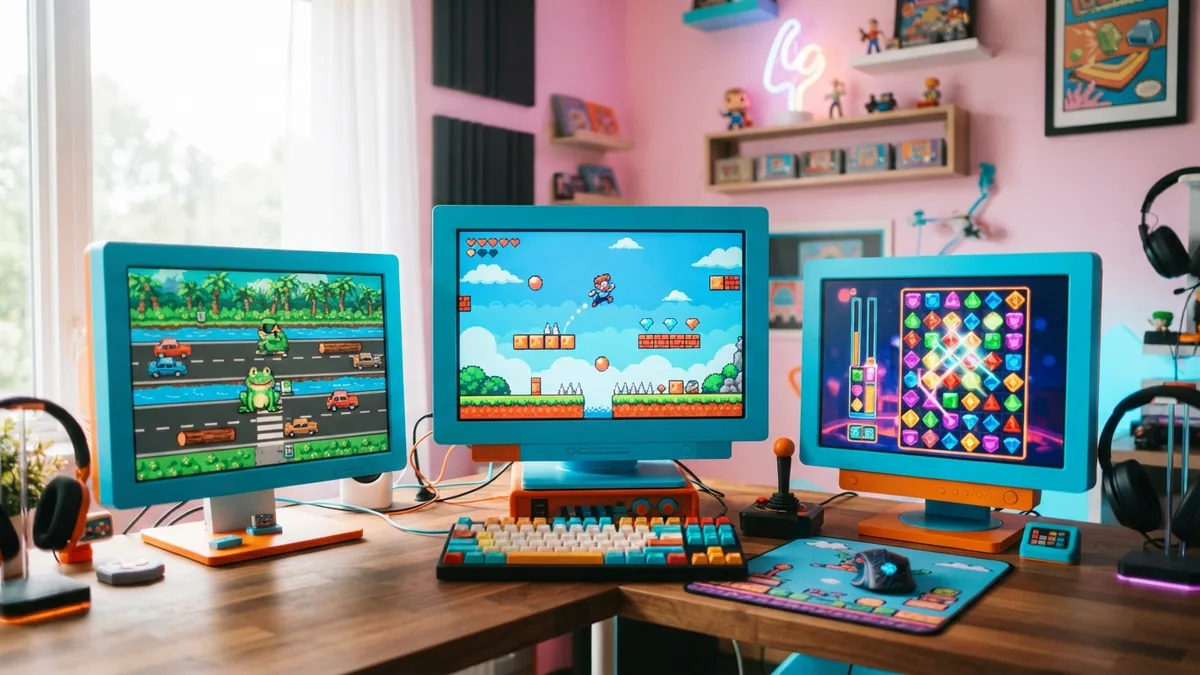
Short games can be just as fun to race as long platform games. A QWOP speedrun tests control as players guide a runner with separate keys. A 2048 speedrun may track the time needed to reach a target tile. A Crossy Road speedrun might aim for a set score or distance.
Solitaire offers races around a single deal or a set of games. Google Solitaire speedrun attempts can use the familiar browser version. Spider Solitaire speedrun categories may set different goals, so check their rules first. Sudoku speedrun challenges can focus on solving a puzzle under agreed rules.
Platform and stunt games offer other clear goals. Players may try a Red Ball speedrun, including a Red Ball 4 speedrun or Red Ball 1 speedrun. Moto X3M speedrun and Stickman Hook speedrun runs often focus on finishing levels fast. Going Balls speedrun and Going Balls Super speedrun attempts also suit level-based play.
Longer games attract runners too. A Spider-Man: Miles Morales speedrun can involve route planning across a larger world. Zuma Deluxe speedrun attempts mix quick choices with careful aim. These examples show how broad speedrunning can be.
Pick a game you enjoy, rather than one with the most famous record. Short levels make practice easier to repeat. Your first goal can be a personal best.
Speedrunning Techniques That Save Time
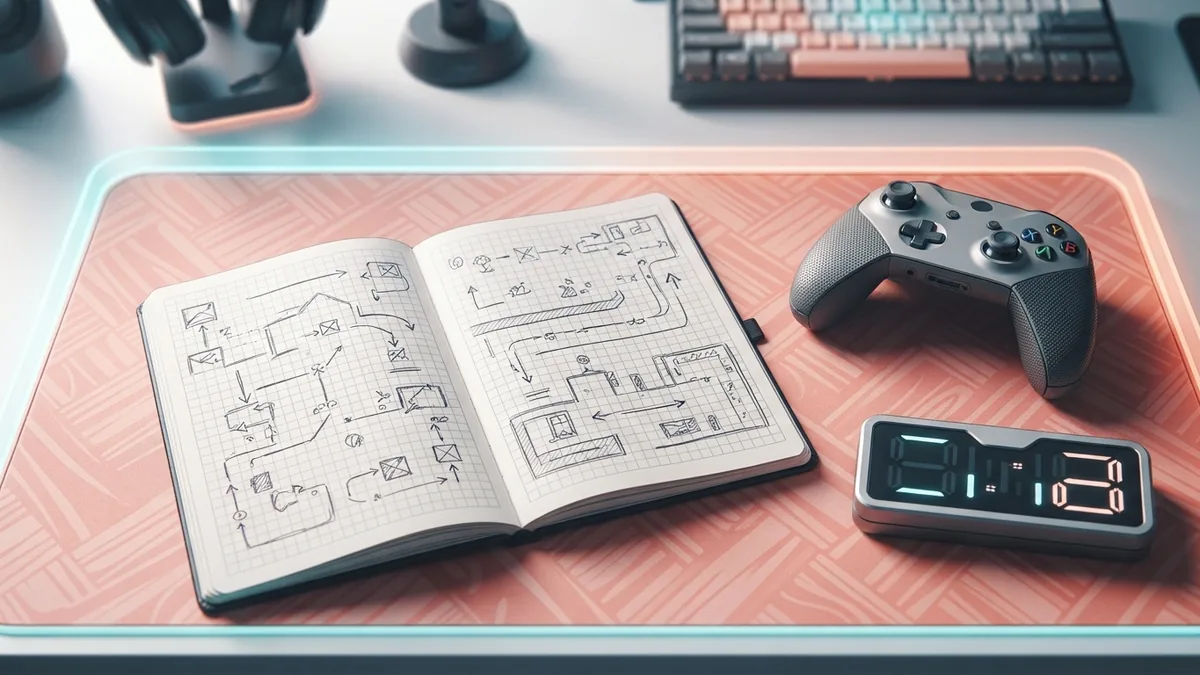
Two core skills are route planning and steady play. A route is the path and set of actions used to reach the goal. Runners test faster paths, remove needless movement, and learn where each turn matters. A small saving can add up across many attempts.
Some games have glitches that skip steps or move a character in odd ways. Runners use them only when the category rules allow it. Learn the trick before relying on it. A risky move can cost more time than it saves.
Break a game into sections and time each one. Practice a slow section on its own before starting another full run. Note where you lose time and what causes resets. This gives each session a clear focus.
- Learn the category rules and route before racing.
- Practice hard sections in short, repeatable sessions.
- Review recordings to spot slow moves and mistakes.
- Change one tactic at a time, then compare results.
Consistency matters as much as a fast best time. A safe route may beat a risky one across a full session. It pays to stay steady.
How to Get Started with Speedrunning
Start with a game you know and a goal you can reach in one sitting. Find the rules for a beginner-friendly category. Note the start, finish, allowed tricks, and timing method. These details prevent mix-ups later.
Watch a few runs or tutorials to learn the route. Do not copy every move at once. Learn one section, repeat it, then add the next section when the first feels steady. This beats restarting the whole game after each mistake.
Set a baseline time before changing your plan. Record several attempts and write down the results. Choose one goal for your next session, such as making a jump more often. Small, clear goals make practice easier to judge.
When you feel ready, record a full run and check it against the category rules. Keep the file in case a leaderboard asks for proof. If you submit a time, include the game, category, and timing details the board requires.
- Choose a game: Pick one you like and can replay with ease.
- Read its rules: Check the goal, timing method, and allowed tricks.
- Learn the route: Watch a run, then practice one section at a time.
- Track attempts: Record times and note one change to test next.
- Share a run: Follow the board's rules when you submit a time.
Speedrunning Communities and Resources
Speedrun.com hosts game leaderboards, rules, and player-submitted times. Many game pages also link to guides or community spaces. The right page can help you find a route and see which category fits your goal.
Community rules matter. Boards may ask for a full recording, a visible timer, or proof of the game version. Read each game's guidelines before posting. Clear evidence helps moderators check runs and keeps records fair.
Players also share routes, tutorials, and practice tips in forums and chat groups. Ask focused questions, such as how to make one jump more often. You will get better help than by asking for a whole route at once. Give credit when you use another runner's work.
Speedrunning online makes it easy to compare times with players elsewhere. Treat leaderboards as a source of goals, not a measure of your worth. Keep notes, share useful discoveries, and enjoy the process. Every clean finish is progress.